There's no gentle way to say it: clearing out the home of someone you've lost is one of the hardest jobs a family ever takes on. I've stood in a lot of these kitchens over the years, coffee going cold on the counter, an adult son or daughter holding a coupon their mother clipped in 1994 and not quite able to throw it away. The work is physical, sure. But mostly it's the weight of a whole life sitting in rooms that suddenly feel too quiet.
This guide is the checklist I wish more families had before they started. It won't make the grief smaller. What it can do is keep you from making the avoidable mistakes I see all the time, the ones that cost money, cause family arguments, or accidentally send something irreplaceable to the landfill. Take it slow. You don't have to do everything in one weekend, no matter what anyone tells you.
Before you touch a single box
The single biggest mistake families make is starting with the garage or the closets because those feel manageable. Don't. The first pass through an estate should be about finding and securing things, not sorting them. Walk the whole house with a notepad first, room by room, and just look. Get a feel for the scope before you start pulling things apart.
A few things need to happen up front, ideally on day one:
- Secure the house. Change or re-key the locks if lots of people had access. Estate homes sit empty, neighbors talk, and sadly they're targets. Make sure the utilities stay on long enough to do the work in decent light and heat.
- Locate the important documents. The will, trust papers, deeds, vehicle titles, insurance policies, bank and investment statements, tax returns, Social Security card, birth and marriage certificates, military discharge papers. Check the obvious desk, then the less obvious places: taped under drawers, inside book jackets, in the freezer, folded into the pages of a Bible. Older folks hid things. Look before anyone hauls furniture.
- Grab the small valuables early. Jewelry, watches, cash, collectible coins, firearms, prescription medications. Bag them, label them, and get them out of the house to one trusted person's care. Medications especially should be handled and disposed of properly, not left in a bathroom cabinet.
Here's a rule that has saved more than one family I've worked with: nothing leaves the house and nothing gets tossed until at least two people have agreed it's cleared. Grief makes people rash. A cooling-off habit prevents the 2 a.m. regret.
Understand where you stand legally
If the estate is going through probate, the executor (or administrator) is legally responsible for the property and its contents until the estate is settled. That matters more than people realize. You generally shouldn't be distributing or disposing of significant assets before the executor has authority and, in many cases, before an inventory is done.
In Pennsylvania, the executor typically has to file an inventory of estate assets, and there are tax considerations, including the Pennsylvania inheritance tax, that can hinge on what the estate contained. I'm a dumpster and cleanout guy, not a lawyer, so please hear this clearly: talk to the estate attorney or the Northampton County Register of Wills office before you do a full purge. A quick phone call up front beats an expensive problem later.
Practically, that means your timeline often looks like this: secure everything, let the legal process establish who has authority, document valuables (photos are your friend), let heirs claim what's designated for them, and then, only then, do the big clear-out of what's left. Don't let a well-meaning relative start a bonfire of "junk" in week one.
The sorting system that actually works
Once you're cleared to sort, give yourself a simple system. Overthinking the categories is how people freeze. I tell families to use five piles, and to physically label areas of a room:
- Keep / Distribute. Items going to specific heirs or that the family wants.
- Sell. Furniture, antiques, tools, collectibles with real resale value.
- Donate. Usable goods that nobody wants but somebody could use.
- Recycle / Special handling. Electronics, paint, chemicals, batteries, anything that can't just go in the trash.
- Trash. Genuinely spent, broken, or unusable.
Work one room at a time and finish it before you move on. A half-sorted house in every room at once is demoralizing and it's how things get lost. Play the person's favorite music if it helps. A lot of families tell me that made the whole thing bearable.
Sentimental items: go slow here
This is the part no checklist can really do for you, so I'll just be honest about what I've seen work. You cannot keep everything, and you also shouldn't force yourself to decide on the hard stuff while you're standing in the emotional center of it.
Set aside a "decide later" box for the truly loaded items, the wedding dress, the letters, the kids' report cards Mom saved for fifty years. You don't have to resolve those today. For the volume of sentimental stuff, photographs especially, consider taking pictures of the item rather than keeping the item itself. A photo of Grandpa's worn recliner carries the memory; the recliner is just going to sit in your garage.
One more thing families appreciate later: designate someone to skim, not speed through, boxes of papers and photos before they're cleared. I've personally pulled savings bonds, cash, and a stack of original family photos out of what everyone had labeled "just old paperwork, throw it." Slow down on the paper.
Working with family without a war
Grief and inheritance bring out old dynamics fast. The sibling who lives closest ends up doing the most and resents it. Someone wants the dining set that someone else was promised. It gets ugly over things that aren't even worth much.
A few practices keep the peace:
- Decide the ground rules together before you start, ideally in writing, even a group text.
- For contested items, use a fair method: take turns picking, draw numbers, or have a neutral third party help value things.
- Give everyone a real chance to walk through and flag what matters to them before anything is sold or cleared.
- Put one person in charge of scheduling and logistics so decisions don't stall in a group of five.
And extend each other grace. Everyone is grieving differently, and the person who seems cold might just be coping by staying busy.
When you're ready to clear the volume, call Easton Dumpster Rental Group at (484) 544-4458. We'll help you figure out the right container and the right timing so the physical side is one less thing on your plate.
Donate or dispose? A practical split
The instinct to donate everything is generous, but not everything is donatable, and mixing them up creates work. Charities have to pay to dispose of what they can't sell, so please don't treat a donation center like a landfill.
Good donation candidates: clean clothing and linens, working small appliances, dishes and cookware, unbroken furniture, books, unopened toiletries, tools. Many local organizations in the Lehigh Valley will do pickups for larger loads of furniture, which saves you a haul. Habitat for Humanity ReStores take usable building materials, cabinets, and furniture.
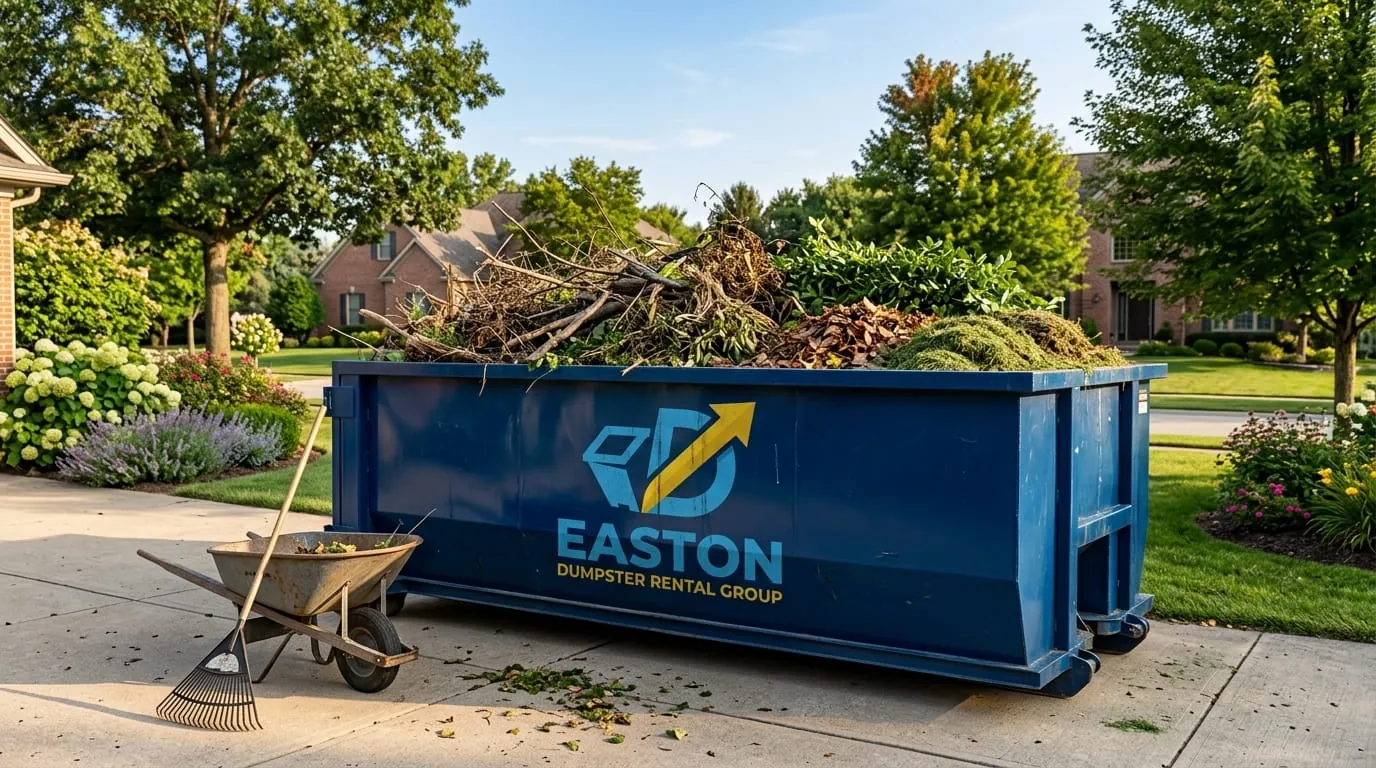
Head for disposal or recycling: stained or torn upholstery, mattresses in poor shape, broken furniture, expired food, most old electronics (which need proper e-waste recycling), and anything with a strong odor or water damage. For the sheer bulk of true trash, a roll-off dumpster on the driveway is almost always cheaper and less exhausting than a dozen trips to the transfer station in your own vehicle. If you've got a smaller job or just a few big items, our junk removal service can take the heavy stuff off your hands without a full container.
Choosing the right dumpster size
People almost always underestimate how much comes out of a full home. Decades of accumulation fills more space than you'd think. Here's the rough guidance I give families for estate cleanouts:
- 10-yard: A single room, a heavily downsized apartment, or mostly a cleared-out home where heirs have already taken the big pieces.
- 15 to 20-yard: The workhorse for most estate cleanouts. A modest two or three-bedroom home with a normal amount of furniture and household goods.
- 30-yard: A larger home, a full basement and garage, decades of storage, or a hoarding situation.
When in doubt, size up one. Swapping a full small dumpster for a second one costs more than getting the right size the first time, and the last thing a grieving family needs is to stop the momentum waiting on another container. We'll talk through the house on the phone and give you an honest recommendation. Our full estate cleanout service page walks through how the process works from start to finish.
A realistic timeline
If the estate is in probate, the whole thing can stretch over months, and that's normal. But the hands-on cleanout, once you're cleared to do it, usually breaks into stages: a weekend or two to secure and sort, a stretch for heirs to claim and for donations and sales, then the final clear-out, which most families knock out in two to four days with a dumpster on site. Don't rush the middle. The house will still be there next weekend.
Doing it with dignity
At the end of all the logistics, remember what this actually is. You're not just emptying a building. You're closing a chapter of someone's life with care. Take breaks. Take the photo. Keep the one coffee mug that still smells faintly of their kitchen. Let yourself cry in the driveway if you need to; I've handed over plenty of tissues along with the paperwork.
And lean on people who do this work often, because we've seen it and we're not fazed by the mess or the emotion. When you're ready to talk through the practical side, reach out to us and we'll make the container part easy. You handle the memories. We'll handle the hauling.
Founder, Easton Dumpster Rental Group — sharing straight advice from more than 15 years of local hauling experience.
Frequently Asked Questions
How long does an estate cleanout usually take?
The hands-on cleanout typically takes two to four days once you're cleared to do the work and have a dumpster on site. However, if the estate is in probate, the overall process can stretch over months because heirs need time to claim items and the legal side has to be settled first. We recommend securing the home and important documents immediately, then working through sorting at a pace that doesn't overwhelm the family.
What should I secure first when clearing a loved one's home?
Start with documents and small valuables before anything gets moved. Locate the will, deeds, titles, insurance policies, bank statements, and tax records, and secure jewelry, cash, coins, firearms, and medications with one trusted person. Change the locks if many people had access, and photograph valuable items for the estate inventory. Only after these are handled should you begin sorting the rest of the house.
What size dumpster do I need for an estate cleanout in the Lehigh Valley?
Most estate cleanouts of a two or three-bedroom home fit a 15 to 20-yard dumpster. A single room or an already-downsized home may only need a 10-yard, while a large house with a full basement, garage, and decades of storage often calls for a 30-yard. Families almost always underestimate the volume, so when in doubt, size up. Call us at (484) 544-4458 and we'll recommend the right container based on the home.
Should I hire junk removal or rent a dumpster for an estate cleanout?
It depends on the volume and how much you can sort yourself. A roll-off dumpster on the driveway is usually the most cost-effective choice for a full home cleanout where you're doing the loading over several days. Junk removal is a better fit when you have a smaller job, only a few large items, or need a crew to do the physical lifting. We offer both, so we can match the service to your situation.
What can be donated versus thrown away during a cleanout?
Clean clothing, working small appliances, unbroken furniture, dishes, books, and usable building materials are good donation candidates, and many Lehigh Valley charities offer pickups for larger items. Stained upholstery, broken furniture, poor-condition mattresses, expired food, and damaged goods should go to disposal, while electronics need proper e-waste recycling. Avoid using a donation center as a landfill, since charities pay to dispose of what they can't sell.